
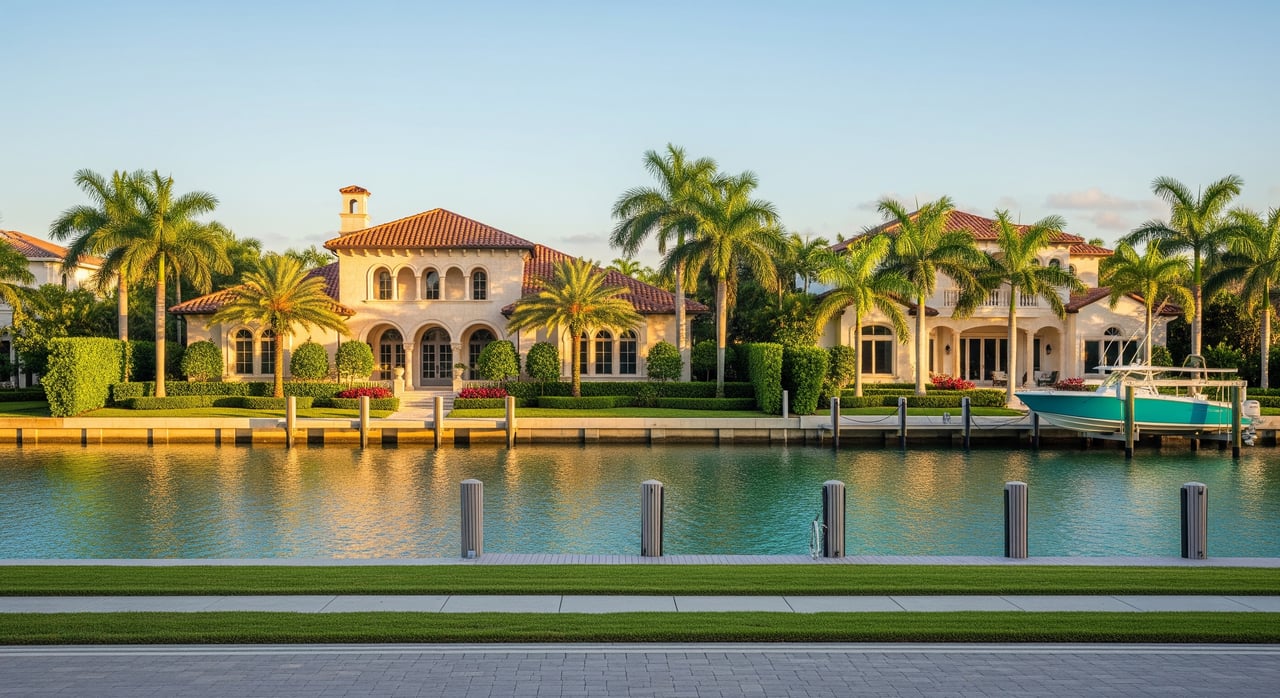
Trying to make sense of Naples neighborhoods without a local map in your head can feel overwhelming. You want beach days, great dining, and the right home style without surprise fees or risks. In this guide, you’ll match your lifestyle to the main areas of Naples, learn the pros and cons of each, and see exactly what to research next. Let’s dive in.
Naples layout at a glance
Naples sits on Florida’s southwest Gulf Coast in Collier County with the city core hugging the beach and residential areas stretching north, east, and south. Nearby communities include Marco Island to the south and Bonita Springs to the north. The region’s main airport is Southwest Florida International Airport in Fort Myers, often a 30 to 60 minute drive depending on where you stay. You’ll find a mix of seasonal residents, second homes, and year-round neighborhoods that support dining, arts, healthcare, golf, and boating.
For visitor-friendly overviews of beaches and districts, browse the official tourism site for Naples and Marco Island on Visit Naples.
Choose your lifestyle fit
Beachfront and ultra-coastal
Representative areas: Old Naples, Park Shore, Port Royal, Vanderbilt Beach, Seagate
If direct beach access and sunset views top your list, start here. You’ll see a blend of luxury estates, replacement builds on existing lots, and condo towers with resort amenities.
- Key fit: Buyers who want the beach and downtown close by.
- Typical homes: High-end single-family estates, mid to high-rise condos, limited large-lot new builds inside the core.
- Lifestyle cues: Walk to galleries and dining in Old Naples, enjoy boating, private docks in select pockets, and daily beach time.
- Pros: Prestige addresses, immediate Gulf access, strong lifestyle appeal.
- Cons: Higher price per square foot, limited inventory, coastal flood and wind risk that can raise insurance costs.
Tip for risk and insurance: Always verify flood zone and elevation, and price out wind and flood coverage early using the FEMA Flood Map Service Center and guidance from the Florida Office of Insurance Regulation.
Old Naples and walkable cores
Representative areas: Old Naples near 5th Avenue South and Third Street South, Cambier Park area, Coquina Sands, Naples Historic District
Choose this if you want a compact, walkable experience with dining, arts, parks, and the pier within biking distance. Homes range from historic cottages and updated bungalows to townhomes and low-rise condos.
- Key fit: Buyers who value walkability and an active street scene.
- Typical homes: Smaller-lot single-family, townhomes, condos, many renovated or rebuilt.
- Lifestyle cues: Farmers’ markets, park events, busy winter season, quick access to beaches and downtown.
- Pros: Walkability, cultural amenities, community feel.
- Cons: Smaller lots, peak-season traffic and parking, fewer large new-home options.
Golf and country-club communities
Representative areas: Pelican Bay, Grey Oaks, Mediterra, Lely Resort, The Quarry, Audubon Country Club
If you want resort-style living with planned social calendars, this cluster of communities offers golf, tennis, fitness, spas, dining, and security gates. Many buyers choose these neighborhoods for turnkey living and predictable amenities.
- Key fit: Buyers who want amenities, social programming, and low-maintenance options.
- Typical homes: Condos, villas, single-family, and estates, often with optional or required club memberships.
- Lifestyle cues: Clubhouses, multiple courses in some communities, on-site dining, organized events.
- Pros: Robust amenities, consistent lifestyle, often good demand among second-home buyers.
- Cons: HOA and club fees can be significant, with initiation fees in some communities.
Before you tour, request current HOA and club fee schedules, budgets, and any capital contribution requirements.
North Naples, East Naples, and growth corridors
Representative areas: North of Vanderbilt Beach Road, East Naples, Naples Park area, corridors along Immokalee Road and Collier Boulevard, Golden Gate and Golden Gate Estates
You will find more options and larger lot choices as you move inland. Newer single-family homes in planned communities, townhomes, and apartments are common along growth corridors, while Golden Gate Estates offers large-lot properties with a more rural character.
- Key fit: Buyers who need more interior space or yard size with a wider range of price points.
- Typical homes: Newer construction in planned communities, townhomes, and large-lot ranch-style homes in rural pockets.
- Lifestyle cues: Suburban conveniences, parks and recreation centers, automobile dependent compared with Old Naples.
- Pros: More square footage for the price, broader new-construction choices, yard space.
- Cons: Farther drives to beaches and downtown; rural areas can have fewer municipal services.
Islands and boating-focused living
Representative areas: Marco Island, Keewaydin Island, barrier-island condo developments
If boating is the priority, island enclaves provide direct access to the Gulf or protected waterways along with marinas and island dining. Expect a mix of waterfront single-family homes and condos with boat slips.
- Key fit: Buyers who want the marine lifestyle and island setting.
- Typical homes: Waterfront single-family and mid to high-rise condos.
- Lifestyle cues: Boating, fishing, island dining, and a more seasonal rhythm in some areas.
- Considerations: Stricter codes and higher insurance costs are common due to exposure.
Practical checks before you fall in love
Flood zones and elevation
Coastal Southwest Florida is hurricane exposed. Confirm a property’s flood zone, elevation, and any past loss history. Use the FEMA Flood Map Service Center to review Flood Insurance Rate Maps and ask for elevation certificates when available.
Insurance planning
Budget for wind and flood coverage, especially near the coast. For consumer guidance and updates, review resources from the Florida Office of Insurance Regulation. Premiums can vary by elevation, construction type, and proximity to water.
HOA and club fees
Many Naples neighborhoods are association-governed with separate amenity tiers. Get the full fee breakdown, reserve studies, and any planned special assessments. Club communities can have initiation fees for golf or social memberships.
Schools and zones
If school assignment matters to you, confirm attendance zones directly with Collier County Public Schools before you make an offer. Private options are also available throughout Naples.
Market timing and seasonality
Inventory and showings tend to peak during winter season when more seasonal residents are in town. To track local trends and inventory shifts, follow market updates from the Naples Area Board of REALTORS.
Commutes and daily errands
A home that looks close on a map can have longer drive times in season. Test your routes to work, healthcare, grocery stores, and the airport at different times of day.
Where to start comparing homes
- Review current neighborhood listings and recent sales data to see how far your budget stretches. Local market updates from the Naples Area Board of REALTORS can help you frame expectations.
- Check flood designations and estimate insurance early through the FEMA Flood Map Service Center and the Florida Office of Insurance Regulation.
- Confirm school zoning with Collier County Public Schools.
- Look up future development, road plans, and permits through Collier County government planning resources.
- Plan at least one visit during season and one off-season to compare traffic, community activity, and amenity access.
For neighborhood context and community news, you can also follow local coverage at the Naples Daily News.
Quick comparison at a glance
- Beachfront and Old Naples: Luxury, walkability to beaches and dining, strong lifestyle appeal.
- Downtown-adjacent cores: Walkable cottages and condos, small-lot living near arts and restaurants.
- Golf and country-club: Amenity-rich, social, often gated with optional or required memberships.
- North Naples and suburbs: More space, newer-construction choices, broader price points.
- Golden Gate Estates and rural east: Larger lots, more privacy, rural character.
- Barrier islands and boating: Direct water access, marinas, island setting.
Your next step
Every Naples neighborhood offers a different balance of beach access, space, amenities, and costs. The right fit depends on your lifestyle, fee tolerance, and comfort with coastal risks. If you want a local guide to compare neighborhoods, pull HOA and insurance details, and line up showings that match your goals, reach out to Amber Reyes. You will get hands-on, concierge-style help from the first call to the closing table.
FAQs
What are the most walkable Naples neighborhoods?
- Old Naples near 5th Avenue South and Third Street South offers a compact, walkable mix of dining, arts, parks, and beach access.
Which Naples areas are best for frequent beach access?
- Beachfront and ultra-coastal neighborhoods like Old Naples, Park Shore, Port Royal, Vanderbilt Beach, and Seagate place you closest to sand and Gulf vistas.
How can I check flood risk for a Naples home?
- Look up the property’s flood zone and map panel using the FEMA Flood Map Service Center and request an elevation certificate from the seller when available.
What should I know about HOA and club fees in Naples?
- Many communities have monthly or annual HOA fees, and some golf communities add initiation and club dues, so request full fee schedules and budget documents early.
Where can I find reliable Naples market updates?
- Track inventory and seasonal patterns through reports from the Naples Area Board of REALTORS.
How do I confirm school zoning for a Naples address?
- Verify current attendance zones directly with Collier County Public Schools before you write an offer.