
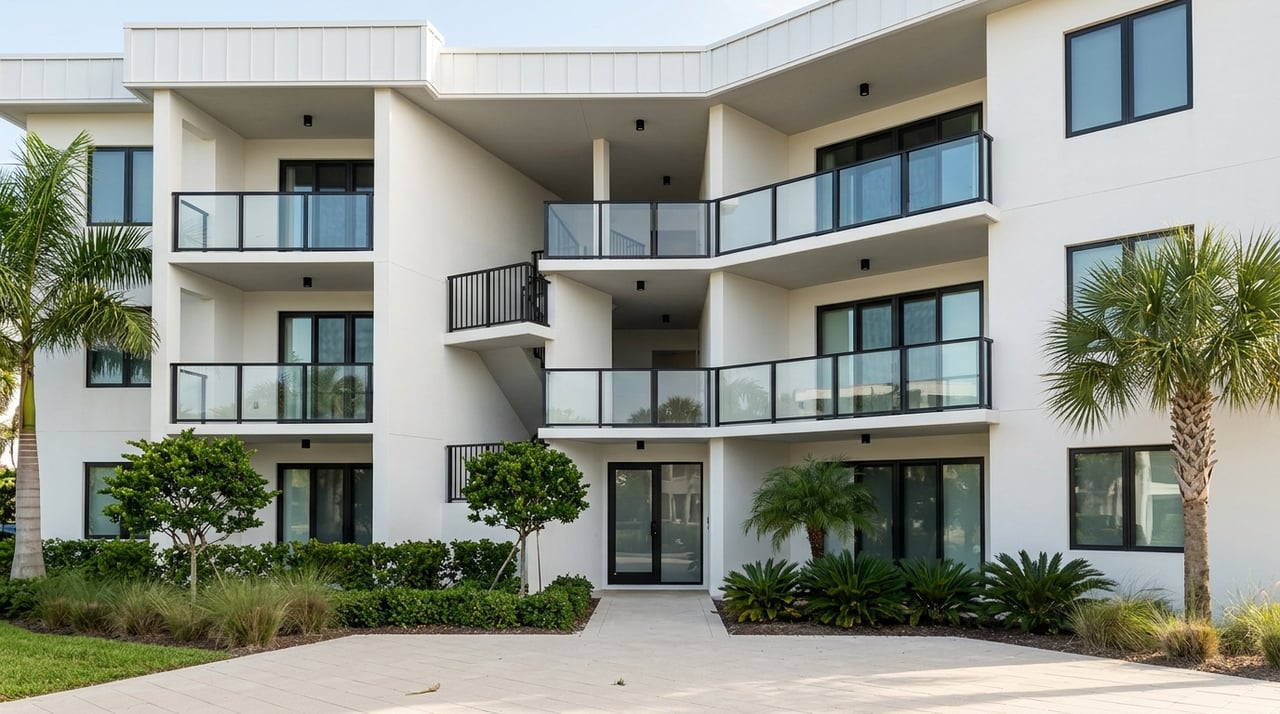
If you are thinking about buying a rental property in Estero, the big question is simple: will the numbers and the rules support a solid long-term hold? That matters even more in a market where community restrictions, seasonal demand, and property type can all change your results. In this guide, you will get a clear look at Estero’s rental demand, realistic rent expectations, local risks, and what to underwrite before you buy. Let’s dive in.
Why Estero Draws Long-Term Investors
Estero offers a different profile than many higher-turnover rental markets in Florida. In 2024, the village had a population of 38,443, up from 36,939 in 2020, which points to continued growth. It is also an older, owner-heavy market, with 51.9% of residents age 65 or older and 86.0% of housing owner-occupied.
That owner-heavy makeup can appeal to long-term investors who want a more stable environment. The share of residents living in the same home one year earlier is 88.1%, which suggests lower turnover than more transient markets. Estero’s median gross rent is $1,920, giving you a conservative baseline for rent planning.
The wider Lee County backdrop also supports rental demand. Lee County reached a population of 860,959 in 2024, with a median gross rent of $1,712. The Southwest Florida Regional Housing Action Plan reports that Lee County has a deficit of 12,349 affordable and available units for households at or below 80% of area median income, which reinforces broader rental pressure in the region.
Estero Rent Outlook By Property Type
In practical terms, the most common long-term rental options in Estero are usually condos, townhomes or villas, and single-family homes. Regional housing data shows that detached single-family homes dominate the area, while demand also exists for attached homes and other smaller-scale formats. New multifamily development in Southwest Florida tends to cluster inland and near I-75, which helps explain why HOA-managed communities are a major part of Estero’s rental landscape.
Public rent portals show a wide spread, which is why investors need to be careful when using online averages. RentCafe lists Estero’s average apartment rent at $2,328, while Zillow’s market page shows an average rent of $2,603. Zillow’s rental manager snapshot shows $3,600 for active listings, which likely reflects the influence of larger and more upscale homes.
Bedroom-level asking rents help frame the market, but they are still asking rents, not signed lease comps. Public portal ranges suggest about $1,650 to $1,900 for one-bedroom units, $2,800 to $3,300 for two-bedroom units, $3,400 to $4,600 for three-bedroom homes, and $4,250 or more for four-bedroom properties. Luxury homes and units in upscale communities can price above those levels.
For a more conservative starting point, the census median gross rent of $1,920 is often the safer baseline. That figure includes a broader mix of occupied homes and older leases, so it usually sits below active asking rents. If you are underwriting a buy-and-hold deal, that lower anchor can help you avoid overestimating income.
Seasonality Matters In Estero
Florida rental pricing is seasonal, and Estero is not immune to that pattern. Florida Realtors reports that winter demand can push rents higher in some Florida markets, while summer often brings more concessions and an easier supply environment. In Estero, that means vacancy risk may be tied more to timing and lease rollover than to a lack of long-term demand.
For investors, this matters at purchase and at renewal. A property that comes available during a softer summer window may take longer to lease or may need a pricing adjustment. A winter lease-up may look stronger, but you still need to treat that result carefully if you are projecting year-round performance.
HOA And Condo Rules Can Shape Your Returns
In Estero, the rental story is not just about demand. It is also about rules. Many of the area’s practical rental options sit inside condo or HOA communities, and those documents can directly affect whether a property works as an investment.
Florida condominium law allows rental restrictions, but it also limits how new restrictions can be applied. Under Florida Statute 718.110(13), an amendment that prohibits renting, changes the rental term, or limits the number of rentals generally applies only to owners who consent and to buyers who take title after the amendment becomes effective. That makes timing and document review especially important.
Florida condo associations may also charge transfer fees only when the governing documents allow approval and the fee is tied to that right. That fee is capped at $150 per applicant, and renewals with the same lessee cannot be charged again. If the documents allow it, an association may also require a prospective lessee to post a security deposit of up to one month’s rent.
For homeowners associations, Florida Statute 720.306(h) includes similar grandfathering protections for some rental restrictions adopted after July 1, 2021. At the same time, HOAs may still regulate leases shorter than six months and may prohibit renting a parcel more than three times in a calendar year. Those limits can apply to all parcel owners.
This is why Estero can be a strong buy-and-hold market for the right investor, but not always a flexible one. Before you rely on projected rent, you need to verify the declaration, bylaws, rental application, minimum lease term, approval timeline, fees, parking rules, pet rules, rental caps, and grandfathering status.
Condo Buyers Should Watch Reserve And Inspection Risk
If you are considering a condo as a rental property, rent is only part of the picture. Florida law requires associations to distribute structural integrity reserve studies and milestone inspection summaries to owners. That makes reserve funding, inspection history, and pending assessments critical parts of your due diligence.
A condo with attractive rent potential can still become a weaker investment if reserves are underfunded or a major assessment is around the corner. Reviewing the association budget, reserve disclosures, and any available inspection documentation before closing can help you spot risks early. In many Estero communities, this is just as important as comparing lease comps.
How Estero Compares With Nearby Markets
Estero sits in an interesting middle position within Southwest Florida. Zillow’s current market pages show average rents around $2,603 in Estero, compared with $2,656 in Bonita Springs and $2,641 in Naples. Cape Coral at $1,931 and Fort Myers at $1,726 come in lower.
Home values have also pulled back year over year across several nearby markets. Zillow reports declines of 7.0% in Estero, 8.5% in Bonita Springs, 8.4% in Cape Coral, and 6.9% in Naples. For buyers, that may create more room to negotiate than during a faster appreciation cycle.
A rough rent-to-value proxy from those same pages places Estero at about 6.3%, Bonita Springs at 6.2%, Fort Myers at 5.4%, Cape Coral at 6.8%, and Naples at 5.8%. This is not a cap rate, but it can help you compare markets at a high level. Estero tends to land in the middle, with an upscale profile but less of a gross-yield focus than some lower-cost alternatives.
The census data tells a similar story. Estero’s median gross rent is $1,920 and owner occupancy is 86.0%, while Bonita Springs is $1,882 and 81.8%, Fort Myers is $1,580 and 49.1%, Cape Coral is $1,858 and 77.2%, and Naples is $2,305 and 82.1%. In plain terms, Estero and Bonita Springs sit in a higher-rent, more owner-heavy tier, but they do not typically offer the same yield profile as more discount-oriented nearby markets.
What Type Of Investor Estero Fits Best
Estero is often a better match for investors who value stability, resale appeal, and tenant quality over maximum short-term cash flow. The market’s demographics, owner-heavy housing mix, and governed community structure can support a steadier buy-and-hold strategy. At the same time, those same features can add friction if you want maximum flexibility.
If your goal is the highest possible gross yield, another nearby market may deserve a look. If your goal is to buy in a polished Southwest Florida location with strong long-term appeal and a more stable feel, Estero can make sense. The key is buying with realistic numbers and a full understanding of the rules attached to the property.
A Smart Underwriting Approach For Estero Rentals
The best Estero rental analysis starts with same-community lease comps. Portal averages are helpful for an early screen, but they blend property types, lease lengths, and luxury inventory. Your real rent anchor should come from comparable leased properties in the same or very similar communities.
It also helps to build in approval and timing delays. If a community requires tenant screening or board approval, your lease-up period may be longer than expected. Add in Florida’s seasonal demand shifts, and a vacancy buffer becomes even more important.
Be sure to treat carrying costs as core assumptions, not side notes. In Estero, HOA dues, insurance, reserve exposure, and potential special assessments can materially affect returns. If you are buying a condo or HOA-managed home, these line items deserve close review before you make an offer.
Finally, stress-test the downside. Ask what happens if rent comes in below your target, vacancy lasts longer, HOA costs rise, or insurance and assessment costs are higher than expected. A deal that still works under more conservative assumptions is usually a better long-term hold.
If you are weighing an Estero rental purchase, local guidance can make a real difference. From comparing property types to reviewing community restrictions and resale potential, a careful local review helps you avoid expensive surprises. When you are ready to explore opportunities in Estero or anywhere in Southwest Florida, connect with Amber Reyes for attentive, informed support.
FAQs
What makes Estero different from other Southwest Florida rental markets?
- Estero is more owner-occupied and older than many nearby markets, which can support a more stable long-term environment but often comes with more HOA and condo leasing rules.
What is a realistic rent baseline for an Estero investment property?
- A conservative baseline is Estero’s median gross rent of $1,920, while active asking rents on public portals can run much higher depending on unit size, condition, and community.
What rental property types are most common in Estero?
- Long-term investors in Estero will most often evaluate condos, townhomes or villas, and single-family homes, especially in HOA-managed communities.
What condo and HOA rules should Estero investors check before buying?
- You should review minimum lease terms, rental caps, approval timelines, application requirements, transfer fees, deposits, parking rules, pet rules, and any grandfathering status tied to past rule changes.
How does seasonality affect Estero rental property performance?
- Seasonal demand can make winter lease-ups stronger and summer leasing softer, so vacancy timing and renewal timing can have a meaningful effect on annual results.
How does Estero compare with Fort Myers, Cape Coral, Bonita Springs, and Naples for investors?
- Estero usually sits in a middle ground, offering a more upscale and owner-heavy setting than some lower-cost markets, but generally less gross-yield upside than more value-driven areas like Cape Coral.
What should you underwrite most carefully on an Estero rental purchase?
- Focus closely on same-community lease comps, HOA dues, insurance, reserve and assessment exposure, approval delays, and downside scenarios for rent and vacancy.