
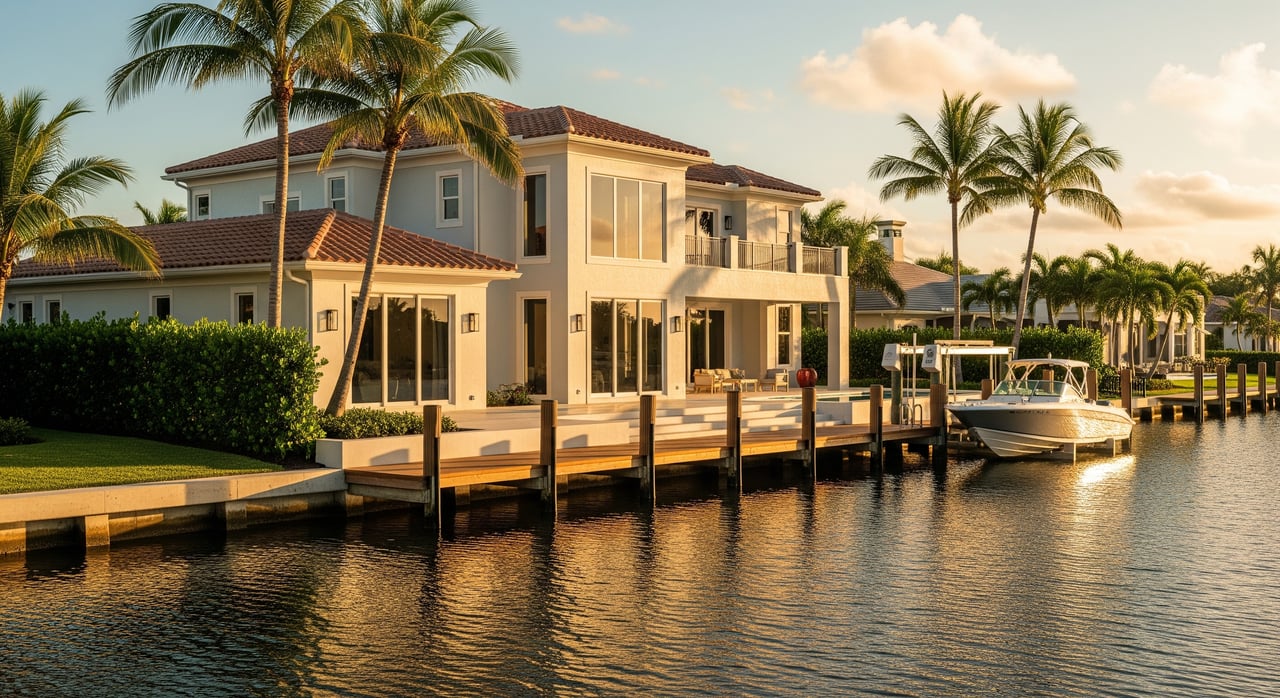
Thinking about buying in Fort Myers but not sure where to start? You are not alone. With seasonality, HOA and condo rules, insurance costs, and new construction, it can feel like a moving target. This guide breaks down how the market works here, what to watch each month, and how to compare single-family homes and condos so you can buy with confidence. Let’s dive in.
Market snapshot for buyers
You will make better decisions when you track a few core metrics. Instead of chasing headlines, focus on your preferred neighborhoods and property type, then compare the latest local MLS stats against your goals.
What to watch each month
- Median sale price by property type. Track single-family and condos separately so you see real price trends.
- Months supply of inventory. MSI shows balance between buyers and sellers. Around 4 to 6 months is balanced, lower tilts to sellers, higher favors buyers.
- Days on market. DOM shows how fast homes are moving and where you can negotiate.
- Price per square foot. Compare by neighborhood to spot relative value, especially waterfront versus inland.
- New construction and permits. Extra supply can slow price growth for nearby resales.
- Mortgage rates and affordability. Consider how rates and insurance premiums affect your monthly budget.
Neighborhood price patterns to keep in mind
Waterfront and gulf-access homes often command a premium. Proximity to Fort Myers Beach, Sanibel and Captiva, downtown Fort Myers, and major job centers usually lifts demand. Inland neighborhoods and suburban subdivisions tend to be more affordable, with larger lots appealing to year-round residents. Condos near beaches or with full amenities can price like single-family homes, especially in desirable buildings.
Value drivers in Fort Myers
Understanding what moves price helps you shop smart and write stronger offers.
Location and property type
- Waterfront proximity and boat access increase values, while inland locations are often more budget friendly.
- Downtown and beach-adjacent areas draw strong demand from seasonal and lifestyle buyers.
- Lot size and private parking matter more to many year-round households; low-maintenance living draws condo buyers.
Migration and demand
Southwest Florida has seen steady in-migration from other states and retirees over time, which supports demand. Always compare current year-over-year trends for Lee County to see if that demand is strengthening or slowing.
Supply and new construction
When builders deliver new communities faster than buyers absorb them, resale price growth can cool nearby. Keep an eye on county building permits and new community releases that may impact your target area.
Insurance, risk and carrying costs
Florida property insurance and flood coverage are essential budgeting items. Many Fort Myers addresses sit in FEMA flood zones, and flood insurance may be required by your lender. Premiums and coverage availability can change your true cost of ownership and even your loan approval.
HOA and COA fees and reserves
Association fees, reserve strength, and rules can raise or lower monthly costs and risk. Strong amenities can support higher prices, but you should still check financials for reserve health and potential special assessments.
Local economy and financing
Tourism, job growth, and seasonal rental demand influence investor interest and resale timelines. Condo financing can depend on project eligibility rules from conventional lenders, which affects the size of the buyer pool and pricing.
Single-family vs condo: what to know
Both options work in Fort Myers, but they fit different lifestyles and budgets. Match the choice to how you plan to live and use the property.
Price and inventory trends
Condos often offer lower entry prices and more seasonal inventory. Single-family homes typically hold higher prices with more year-round occupancy. Waterfront or fully renovated condos can match or exceed inland single-family pricing.
Maintenance and lifestyle
Condos shift exterior and common-area maintenance to the association, which reduces hands-on work. Single-family owners handle exterior upkeep unless an HOA covers it. Decide if you prefer lower maintenance or more control over your property.
Financing and condo project approval
Condo projects must meet lender standards on items like owner-occupancy ratios, delinquencies, insurance, and reserves. If a project does not meet guidelines, your financing options may narrow, which can affect pricing and time to sell. Ask your lender and agent to confirm project eligibility early.
HOA vs COA basics in Florida
- HOAs typically govern single-family or planned communities and are addressed in Chapter 720 of the Florida Statutes.
- Condo associations govern multifamily buildings under Chapter 718 of the Florida Statutes.
- Fees often cover common-area maintenance, building insurance for condos through a master policy, reserves, trash, landscaping, security, and amenities. Coverage varies by association, so verify line by line.
Documents to request and red flags
Gather these before you finalize an offer, especially for condos and amenity-rich HOAs:
- Recent financial statements and the latest reserve study.
- Proposed or recent special assessments and meeting minutes for the last 12 months.
- Insurance declarations and deductibles for the master policy and any wind or flood coverage.
- Rental policies, owner-occupancy percentages, and any litigation disclosures.
- Confirmation of project eligibility for conventional or FHA loans, if you plan to finance.
Seasonality and timing your search
Fort Myers runs on a seasonal rhythm. Timing can change how much competition you face and how quickly homes move.
High season vs low season
- High season runs roughly November through April, when snowbirds arrive and demand rises. Listings can move faster and prices may be firmer.
- Low season runs May through September, when competition eases and more negotiation is possible. Hurricane season lasts June through November, with a peak in late summer to early fall.
Timing strategies by buyer type
- Full-time residents: Shop in late spring and summer for more room to negotiate and time for inspections.
- Seasonal buyers: Start early in summer or fall to secure a winter-ready home, but expect more competition by November.
- Investors: Off-season can offer better pricing. Confirm rental rules and seasonal occupancy patterns before committing.
Seasonal logistics for inspections and closing
Hurricane season can slow insurance binding, roof and shutter inspections, and some permitting. Build extra time into your contract and loan process. Plan thorough inspections for roof age, storm-rated openings, and any signs of past wind or water damage.
Buyer due diligence checklist
Use this list to focus your search and avoid surprises.
Financial and affordability
- Track median sale price, MSI, DOM, and price per square foot for your exact neighborhoods and property type.
- Confirm typical HOA or COA fees and what they cover.
- Review recent property tax assessments and estimate annual taxes for your target homes.
- Get flood insurance quotes for the specific parcel if it is in a flood zone.
Property condition and risk
- Verify roof age, wind mitigation features, and hurricane-rated windows and doors.
- Check for prior flood, wind, or mold damage and what remediation was done.
- Order a termite inspection and review past pest treatment records.
Association and condo specifics
- Review 2 to 3 years of budgets, reserve studies, and meeting minutes.
- Ask for any pending special assessments and confirm master policy coverage and deductibles.
- Confirm rental rules, owner-occupancy levels, and whether the project is eligible for your loan type.
Financing and logistics
- For condos, confirm lender appetite and project approval early in your process.
- Account for hurricane season timing in your inspection and closing plan.
- Request utility cost estimates and any community assessment schedules.
Local market intelligence
- Compare price bands by area: beach and waterfront, downtown, and inland subdivisions.
- Understand typical buyer profiles for each neighborhood without assumptions, and match them to your lifestyle.
- Watch planned developments and new road or retail projects that could shift demand.
Next steps
Buying in Fort Myers is about timing, fit, and due diligence. When you know how MSI, DOM, insurance, and association rules work together, you can spot value quickly and move with confidence. If you want a clear plan, local intel, and a vetted network of lenders, inspectors, and title partners, connect with Amber Reyes for a tailored strategy and on-the-ground support.
FAQs
Is Fort Myers a buyer’s market right now?
- It depends on segment and neighborhood. Look at months supply and days on market for your exact property type, since condos and off-season listings often give buyers more leverage.
Are condos a good deal compared to single-family homes in Fort Myers?
- Condos usually have lower entry prices and less maintenance, but they include association fees, possible rental limits, and stricter financing in some projects. Waterfront or amenity-rich condos can price like single-family homes.
How important is flood insurance for Fort Myers homes and condos?
- Very important. Many properties sit in FEMA flood zones, and lenders may require coverage. Premiums and availability can change your monthly cost and your loan approval.
How does hurricane season affect the buying process in Fort Myers?
- Expect slower insurance binding and possible delays for inspections and permits. Build extra time into contracts, confirm storm protections, and plan for flexible closing timelines.
What condo association red flags should buyers watch for in Fort Myers?
- Low reserves, frequent or large special assessments, ongoing litigation, high delinquency rates, strict rental rules, and insurance issues or high deductibles noted in the declarations.